









Stadium for Employee Engagement
Get 34 employee engagement activities for in-office, remote, and global teams–from peer recognition to snack boxes and games. Recognition that runs itself
It’s Friday afternoon and your calendar is proof of good intentions.
There’s a team-building invite half the office will skip, a “virtual happy hour” the remote half can’t really join, and a recognition Slack channel that goes quiet by Wednesday.
You are not short on ideas. You are short on ideas that reach people and change how they feel about the work.
That gap is the whole problem.
Most employee engagement advice hands you a longer list of activities, when the thing that fails is rarely the idea–it’s the delivery.
An activity moves engagement only when it makes someone feel recognized, and only when that recognition actually shows up: at their desk, in their inbox, in front of their team, wherever they happen to sit.
So this is a menu built for delivery. Thirty-five activities, grouped so you can pick by the shape of your team–in-office, remote, or spread across borders–with a concrete way to run each one and an honest note on what it costs to keep going.
Recognition isn’t a quarterly program. It’s a Tuesday. Engagement compounds from small, frequent moments–a specific thank-you the day something goes right–far more than from one big annual event. These are the activities that run weekly and set the baseline everything else builds on.
Two rules make them work. Recognition is for everyone, not just top performers or managers, and it should never feel like something people have to earn to deserve basic appreciation. And it has to be visible enough to catch, which is why the best everyday recognition lives somewhere the whole team can see it rather than in a manager’s one-on-one notes. Below, each activity turns a nice-sounding intention into a behavior you can run.
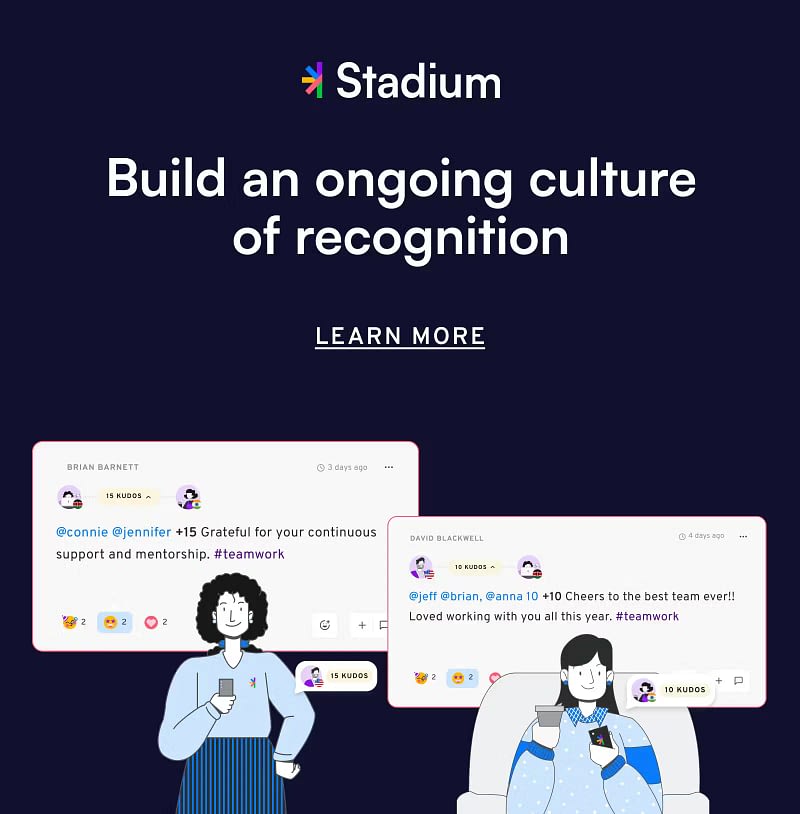
A kudos program lets employees recognize each other in the Feed for specific wins, with points attached that redeem for real rewards.
The point is to move recognition off the manager’s desk and into the team, where most good work actually gets noticed first.
Set two or three earning behaviors so people know what “kudos-worthy” looks like–shipping under pressure, unblocking a teammate, catching a costly mistake–then seed it with a few leaders in the first week so it doesn’t launch to silence.
Say a support rep stays late to walk a frustrated customer through a fix. A teammate posts a kudos naming exactly what she did; points land in her account; the whole team sees it.
That consolidation is what keeps it from becoming one more thing nobody checks.
People mean to recognize good work, then the meeting ends and the moment passes. The fix is speed: give managers and peers a one-click way to recognize someone the instant it happens, so appreciation becomes reflexive instead of something saved up for review season.
Stadium's Quick Recognize exists for exactly this–a shout-out takes about as long as a Slack reaction, but it carries points and lands in the Feed where it lasts.
When someone ships a real win, send a snack box to their door the same week. It's low-cost and high-signal, and it works for a remote employee in another country exactly like it works for the person in the office–which is the point. A tangible surprise says "we noticed, and we moved" in a way a Slack emoji never will.
Generic rewards feel hollow–the branded water bottle, the gift card to a chain nobody near your remote hires has heard of. What makes a reward mean something is that the person chose it. When points employees earn convert into anything they actually want from a 25,000+ item catalog spanning gifts, swag, and snack boxes, the reward stops being a formality and starts being a signal.
Recognition that happens but isn't visible doesn't compound–it fades the moment the thread scrolls past. Once a month, pull the recognition that happened into a single roundup in the Feed: a scrollable record of who did what, worth pausing on. It reinforces the behavior and gives quieter contributors a moment they might not get in a fast-moving channel.
Sometimes the moment calls for more than points–a personal thank-you attached to a real gift. The friction has always been logistics: to send someone a gift, you needed their shipping address, which stalls the instant your team is distributed.
A MagicLink™ gift removes that entirely. The sender writes the note and picks a budget; the recipient opens the link, chooses what they want, and enters their own address. No address to chase, they choose.
Birthdays, work anniversaries, Employee Appreciation Day, and project wins are the highest-emotion, lowest-effort engagement moments you have–on one condition: you never miss them.
A birthday gift that arrives a week late lands worse than no gift at all, because it says the moment wasn’t worth remembering. The trick isn’t more effort; it’s taking the remembering out of human hands entirely.
That’s what automation is for. When milestone recognition triggers itself from the data you already keep, a one-person HR team runs like a team of five without the headcount–never missing an anniversary, never scrambling the morning of.
The activities below are the moments; automation is what keeps them from slipping.
Birthdays are the easiest win in engagement and the easiest to fumble on a growing team. Automating them removes the failure point. Here's the shape of it: connect your HRIS so the platform reads the dates, set the gift or budget once, and let the trigger fire on its own.
Set it up in an afternoon and a new hire who joins in March gets the same on-time gift as the veteran whose birthday is next week–with zero manual tracking in between.
Anniversaries are where long-tenure people quietly decide whether they're taken for granted. Mark tenure with a curated swag kit or milestone gift that escalates by years of service–a first-year kit that feels welcoming, a fifth-year one that feels earned. Custom-branding the pieces through the Customizer makes the kit feel like it came from your company, not a catalog.
Remote onboarding is cold by default–a laptop in the mail and a Zoom link do not make someone feel like they've joined anything. A welcome kit that lands before or on day one changes the first impression entirely, and it pulls remote starters into the culture before they've sat through a single meeting.
Employee Appreciation Day (the first Friday in March in the U.S., though you can run your own date globally) too often gets improvised the week before and leaves remote staff out entirely. Build it as a repeatable program instead: a company-wide gift or snack box drop paired with a recognition push in the Feed, planned once and reused every year.
Social activities build the relationships that make engagement durable–the trust that gets a team through a bad quarter. But most of them fail the same way: the same five extroverts show up, everyone else finds an excuse, and the remote half was never really invited. The fun part is when everyone’s actually in it, remote included.
The fix is designing for an opt-in feel that still includes introverts, remote staff, and every location, then pairing the social moment with a small recognition or reward so it lands instead of just filling a calendar invite. A prize for the winning team, a snack box for the virtual crew, a gift for the volunteer day–the tangible layer is what turns “we hung out” into “we felt like a team.”
Team lunches are a fantastic team-building activity that allows staff members from different departments to unite, bond, and improve employee engagement. These casual gatherings allow employees to share ideas, give feedback, and get to know their colleagues better, fostering a positive work environment where employees look forward to coming to work.


Introducing a dedicated board game room in the office is a creative and low-cost employee engagement idea. Offering a variety of fun games that encourage interaction and collaboration can increase employee participation and team spirit. Playing board games together is entertaining and an excellent way to get your team to unwind, build relationships, and engage in friendly competition.
DIY workshops are engaging activities that allow employees to tap into their creative side while promoting team-building. These hands-on sessions allow staff members to express themselves artistically, boost morale, and share their craft ideas with colleagues. Supplying the necessary materials and instructions creates a fun and inclusive environment for employees to bond over their artistic pursuits.


Organizing themed office parties is the best employee engagement practice that injects fun and excitement into the workplace. Whether celebrating a holiday or just for team-building, encouraging employees to dress up and participate in themed activities fosters a sense of camaraderie and creates lasting memories. These events offer a much-needed break from the daily grind and allow employees to let loose and enjoy each other's company.
Dedicating a day to acts of kindness is a heartwarming employee engagement game that promotes positivity and goodwill among staff members. Encouraging employees to write anonymous compliments, buy lunch for colleagues, or leave small gifts on desks spreads joy and reminds everyone of the importance of kindness in the workplace. This simple yet impactful activity can significantly improve the overall employee experience.


A desk decoration challenge is a creative and fun way to engage employees and showcase their personalities. Setting a monthly theme and encouraging staff members to decorate their workspaces fosters friendly competition and allows employees to express their creativity. This activity adds liveliness to the office and provides a conversation starter and a chance for employees to bond over their shared interests.
Promoting wellness through fitness activities is an excellent employee engagement idea that demonstrates your commitment to the well-being of your staff. Implementing fitness challenges, such as step goals or workout session targets, motivates employees to stay active while fostering a sense of friendly competition and camaraderie. These activities improve physical health and boost morale and team spirit.


Hosting trivia and quiz events is a fun and engaging way to get employees involved and test their knowledge. You create an enjoyable and intellectually stimulating atmosphere by covering various topics, from pop culture to industry-specific questions. Offering small prizes to the winners adds extra excitement and encourages friendly competition among staff members.
Organizing volunteering opportunities is a meaningful employee engagement activity that allows staff members to give back to the community while building strong team bonds. Whether volunteering at an animal shelter, cooking for the homeless, or participating in park clean-ups, these experiences instill a sense of purpose and remind employees of their work's positive impact. Volunteering together fosters a sense of unity and shared values.


Starting an office book club is an excellent way to engage employees and promote intellectual discourse. Allowing staff members to take turns selecting books and facilitating discussions encourages diverse perspectives and creates an environment where employees can share their thoughts and opinions. This activity promotes personal growth and strengthens the bonds between colleagues who share a love for literature.
Remote isn’t the problem. Delivery is. The ideas for engaging distributed teams are everywhere–coffee chats, game nights, care packages–and every list repeats them. What no list solves is the hard part: how you actually get a gift, a snack box, or a swag item to people across time zones and borders without customs drama, returned mail, or one person storing boxes in their apartment. Solve the delivery, and remote engagement stops being a second-class experience.
This is the section that targets what most people search for as virtual employee engagement activities, and it’s where the delivery advantage matters most. Local fulfillment in 170+ countries, 500+ warehouses, and recipient-choice MagicLink™ gifting mean the remote experience equals the in-office one–no addresses to chase, no customs fees, no returned mail. The activities below are ordinary; making them reach everyone is the part worth getting right.
Get your remote team together for a virtual cooking or baking session with someone passionate about culinary arts. This activity fosters teamwork and skill-building as everyone learns to make delicious dishes or sweet treats from the comfort of their kitchens.
Combat remote work stress by offering virtual meditation sessions led by professionals. These sessions allow employees to unwind, practice mindfulness, and prioritize their mental and emotional well-being.
Spice up virtual interactions with a game called Hangman. Participants can guess letters to uncover the mystery word while avoiding the drawing of the hangman. This activity promotes collaboration, problem-solving, and quick thinking, creating an engaging atmosphere for remote teams to enjoy together.
Encourage remote teams to create departmental podcasts, offering a platform for sharing insights, opinions, and ideas. This initiative promotes employee engagement by amplifying voices, fostering creativity, and encouraging peer-to-peer interaction.
Remote social time either feels forced or excludes half the map by scheduling. Fix both: run short, opt-in, time-zone-aware game sessions with a small prize for the winners, so people join because it's genuinely fun and low-commitment rather than a two-hour obligation at an awkward hour.
Trivia with a chosen-reward prize for the winning team–points they redeem for whatever they want–gives people a reason to show up and a laugh once they do. Keep it to 30 minutes and rotate hosts so it stays fresh. The prize the winner picks is what makes people remember to come back next month.
All-hands meetings are usually one-way broadcasts, and whatever recognition happens in them evaporates the moment the call ends. Use the town hall differently: recognize specific people out loud, by name, for specific things–then push that recognition to the Feed so it lasts beyond the meeting instead of living only in the memory of whoever was watching.
"We'll celebrate when we're back in the office" leaves remote staff waiting for a moment that never comes. For a launch, a holiday, or the end of a grueling sprint, send a snack box to each remote employee instead–fulfilled locally so it arrives fast wherever they are, not weeks later stuck in customs.
The old model of one person warehousing and mailing swag from their apartment doesn't scale, and inventory becomes a guessing game the moment the team grows. A branded company store fixes it: employees anywhere order swag on demand, the spend runs through a Shared Wallet, and everything is fulfilled locally–no HR shipping anything by hand, no bulk order gathering dust.
Games get a bad reputation because they’re usually run badly–juvenile, exclusionary, or rigged so the same competitive few always win while everyone else opts out. Done right, friendly competition is one of the most reliable ways to build connection, as long as it’s inclusive, short, and rewarded, and as long as remote players can join on equal footing. A leaderboard people actually want to top is one where the prize is theirs to pick.
This is the ground for what people search as employee engagement games. The rule that separates the good from the cringe: attach recognition or a real reward so the game drives connection, not just a score nobody remembers by Monday. The four below all pass that test.
One-off games don't build momentum; a recurring tournament does. Run trivia as a season–weekly or biweekly rounds, rotating hosts, running standings–so there's a reason to come back rather than a single event people forget. Mix work-adjacent categories with pure fun so it's neither a quiz nor a total time-sink, and keep each round short.
Cross-team ties are usually weak, and remote staff rarely mix with anyone outside their immediate group. A scavenger hunt–a photo or clue hunt that works on-site or over video–forces the good kind of mixing by putting people from different departments and locations on the same team, chasing the same list.
Most fitness challenges reward the people who were already athletic and quietly discourage everyone else. Build tiers so every fitness level can win something–a walking goal alongside a running one, personal-improvement categories alongside raw totals–and keep it opt-in and ability-inclusive so it's an invitation, not a comparison people lose.
Recognition sometimes stalls because nobody's built the habit yet–the intent is there, the behavior isn't. Turn recognition itself into the game: a visible leaderboard of kudos given, not just received, so the people celebrated are the ones lifting everyone else up. Rewarding generosity nudges the whole team toward a recognition habit without anyone feeling ordered into it.
Stadium measures recognition activity across regions and delivers the reward locally–fulfilled in 170+ countries through 500+ warehouses, with recipients choosing what they want via MagicLink™. Whether you are recognizing one person or ten thousand, from 1 to 1,000+, the response lands as fast locally as it would down the hall.
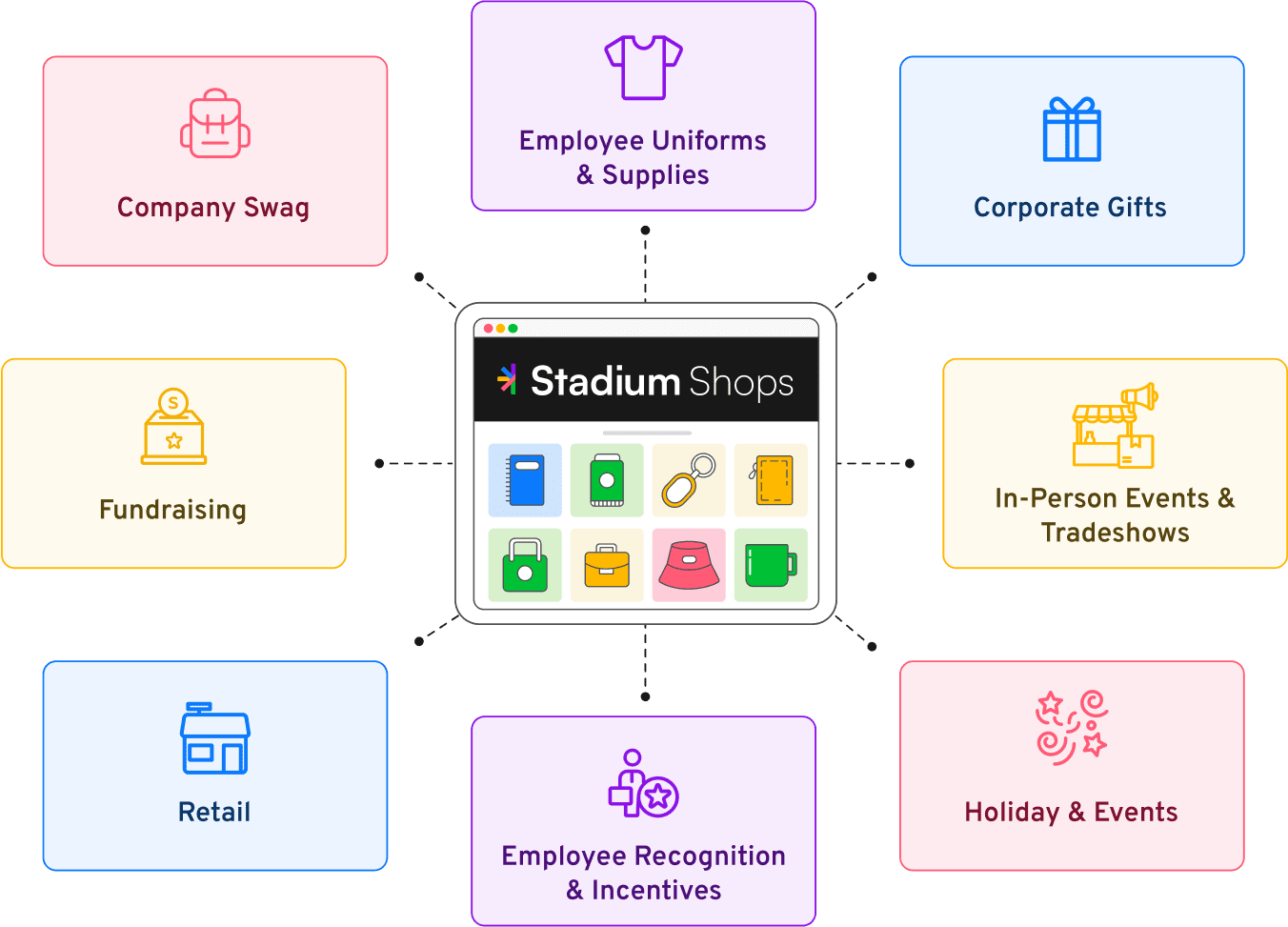
From thoughtful employee onboarding gifts to local fulfillment globally, we make it easy to recognize your team, wherever they are.


