



Pick a Template
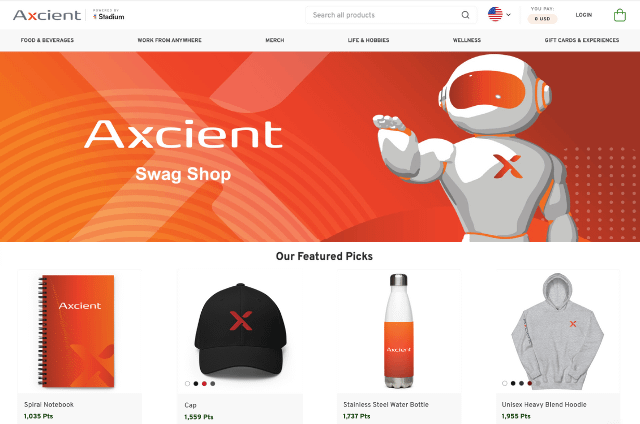
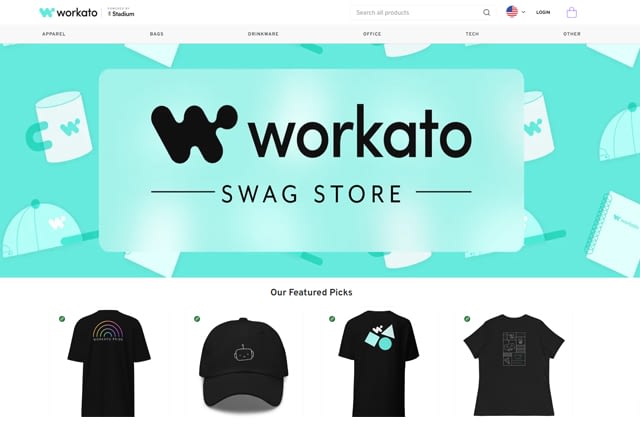
Pick a template and make it yours! Add a logo, banner, or branded swag to your shop.

Send Points
Send points to recipients anywhere (all you need are their email addresses).

Recipients Redeem
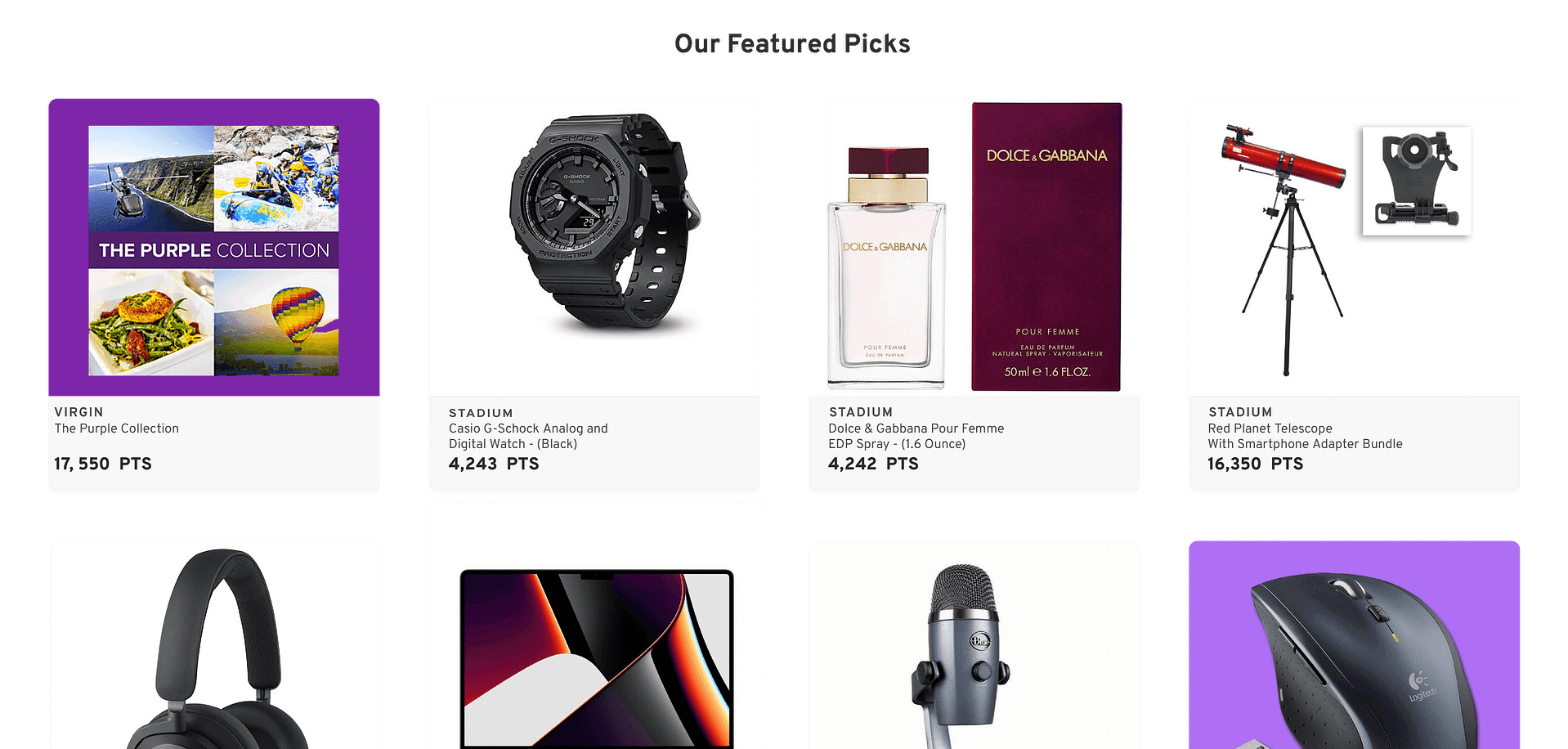
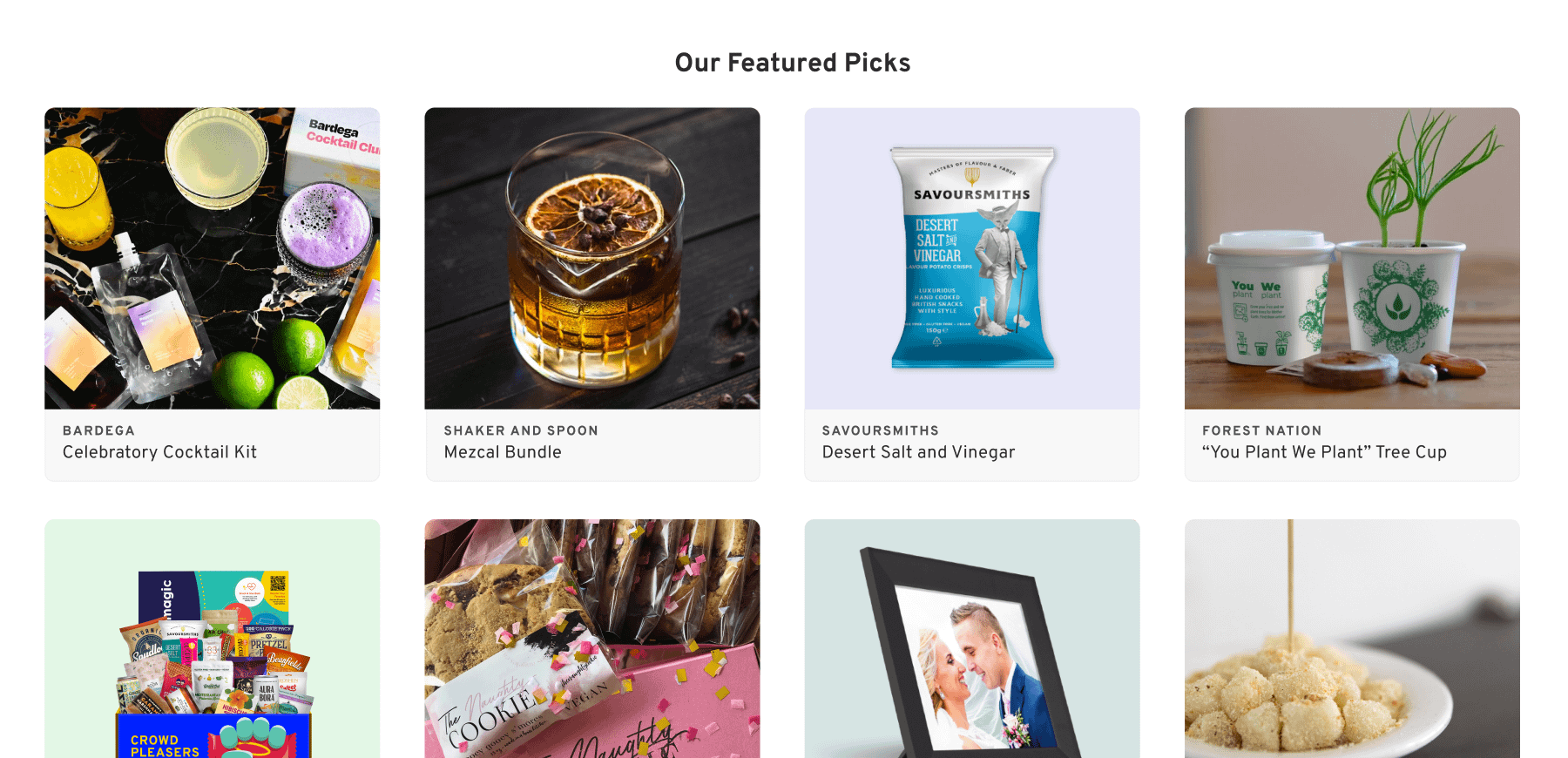
Recipients choose what to redeem from your shop, guaranteeing a gift that’ll hit the mark.







Increase Engagement
Showing your appreciation can lead to increased engagement and motivation.

Improve Retention
When employees feel valued, they’re more likely to stay with you for longer.

Increase Productivity
A more productive workforce is essential for a thriving business.

Enhance Company Culture
Gifting creates a culture of appreciation, leading to better company culture.

Improve Morale
Boosting morale leads to a more productive and positive work environment.
Increase Engagement
Showing your appreciation can lead to increased engagement and motivation.
Improve Retention
When employees feel valued, they’re more likely to stay with you for longer.
Increase Productivity
A more productive workforce is essential for a thriving business.
Enhance Company Culture
Gifting creates a culture of appreciation, leading to better company culture.
Improve Morale
Boosting morale leads to a more productive and positive work environment.