Stadium for Onboarding
Practical Intern Appreciation Day ideas that help HR teams recognize interns, build visibility, and run meaningful celebration moments — for remote, hybrid, and global programs.
Intern programs are full of real work. Interns sit in meetings, contribute to projects, solve problems, and show up every day trying to prove themselves. Then the program ends  and for many of them, the moment passes without anyone pausing to say: we saw what you did, and it mattered.
That gap is not usually intentional. It is just what happens when recognition is not built into the program from the start.
Intern Appreciation Day exists to close that gap. But the way most organizations approach it  a last-minute lunch, a generic email, maybe a branded tote bag  misses the point entirely. Interns do not need a party. They need to feel seen for the work they actually contributed.
Organizations that use platforms like Stadium are already running intern recognition as part of a structured program, coordinating appreciation moments across teams and time zones without the last-minute scramble. That kind of operational clarity is possible for any team willing to be intentional about it.
There is no single format that works for every program. A celebration that feels personal and meaningful for a cohort of six looks very different from one designed for eighty interns spread across three time zones.
The right approach depends on your program’s shape  and getting that match right is what makes the difference between a recognition moment that lands and one that feels like a logistics exercise.
Before choosing activities or formats, consider four things: how many interns you are recognizing, whether your team is in-person, remote, or hybrid, how mature your internship program is, and what outcome you most want the day to create.
Those four factors will guide almost every decision that follows.
With a small group, managers can prepare specific, individual recognition for each intern without it becoming a significant operational lift. Mentor participation is easier to coordinate. One-on-one conversations, small group dinners, or intimate showcase moments all become viable. The intimacy of a smaller setting actually deepens the impact of appreciation interns are not one face in a crowd, they are the focus of the room.
Scale introduces coordination challenges that small cohorts never face. The solution is structure. Centralized recognition moments a program-wide spotlight series, a shared appreciation channel, a coordinated shoutout format create consistency across the cohort. Every intern should be able to point to something from that day and say: that was for me.
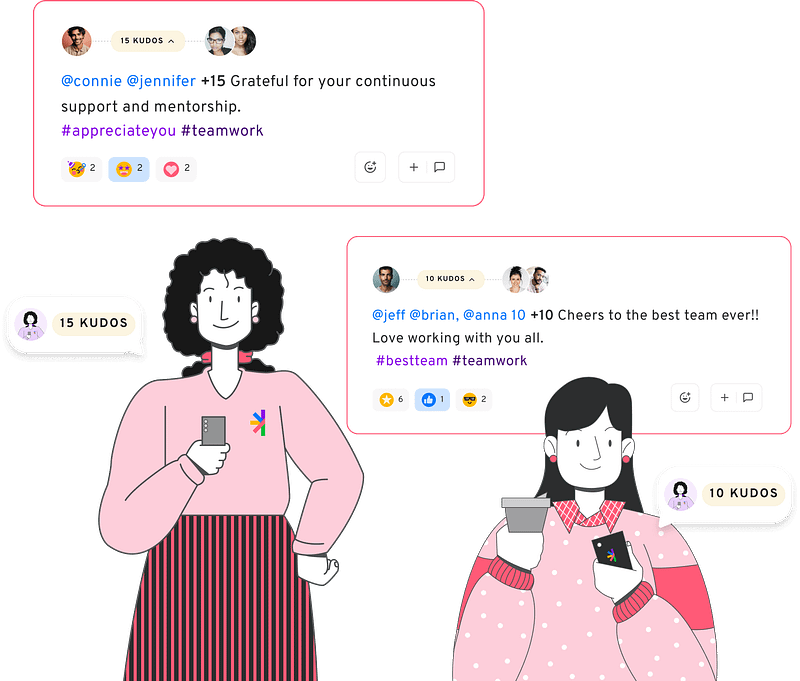
For distributed teams, remote-inclusive recognition should be the default, not the adjustment. Asynchronous formats written spotlights, recorded video messages, digital appreciation walls ensure that interns in different time zones can participate fully without being dependent on a single live event. Designing for distributed participation from the start is not an accommodation it is good program design.
For an intern, being seen by the broader organization is one of the most valuable things that can happen during a program. Not just by their direct manager but by peers, cross-functional teams, and leadership. Visibility-focused recognition does something that a thank-you email cannot: it establishes the intern as a real contributor in the eyes of the people around them.
A spotlight post is one of the most effective visibility tools available  but only when it goes beyond a headshot and a fun fact.Â
Think of it less as an introduction and more as a recognition announcement. Each spotlight should name a specific project or contribution, describe the impact it had, and give the intern a moment of genuine visibility across internal channels.
When managers are involved in drafting or reviewing these posts, the quality goes up considerably  they have the context to make recognition specific rather than generic.
For distributed teams, internal communication platforms and recognition feeds make it easy to publish spotlights in a place where the whole organization can see and respond to them.Â
A project showcase gives interns something that very few early-career experiences offer: a real audience for their work.
Whether it takes the form of a demo day, a short presentation, or a structured show-and-tell session, the core idea is the same  interns present what they built, researched, or contributed, and the organization shows up to listen.
The value here runs in both directions.
For the intern, it is a career-defining moment  a chance to practice presenting their work, receive direct feedback, and build a portfolio reference they can speak to in future interviews.
For the organization, it is a genuine window into what interns actually produced during the program.
Â
A leadership shoutout that says “our interns have done amazing work this summer” is forgettable. One that says “this intern identified a gap in our onboarding process and proposed a solution we are now implementing” is the kind of recognition that an intern will remember for years.
Brief leaders before the day. Give them context on individual intern contributions so their recognition is grounded in something real. The authenticity of that specificity is what makes the moment land  and it signals to the entire organization that intern contributions are taken seriously at every level.
Visibility tells interns their work was seen. Connection tells them they belong. Both matter but they do different things. The ideas in this section are designed to strengthen the relationships that make an internship feel like a genuine professional experience rather than a temporary assignment.
A thank-you wall  physical or digital  creates a collective recognition moment that invites the whole team to participate. The idea is simple: managers, peers, and colleagues leave appreciation messages for interns in a shared space that everyone can see and contribute to.
What makes it meaningful rather than decorative is specificity. A wall full of “great job this summer” notes misses the point. When managers and teammates are prompted to name something particular  a moment of initiative, a piece of work that made their job easier, a quality they noticed  the wall becomes a genuine record of how the intern showed up during the program.
Set the tone by contributing first. When leaders and managers post specific, thoughtful recognition early, it signals to everyone else what the standard looks like  and the quality of contributions that follow tends to rise accordingly.
Access to leadership is one of the things early-career professionals value most and get least. An intern roundtable changes that. It creates a structured moment where interns can have a real conversation with senior people  asking questions, sharing perspectives, and being heard by the people who shape the organization.
The format works best when it is genuinely interactive. A panel that talks at interns for forty-five minutes is a missed opportunity. A conversation where interns can ask candid questions about career paths, industry realities, and what leaders wish they had known early on is the kind of experience people remember.
Keep the group size manageable, prepare leaders with a few conversation prompts, and let the discussion breathe. The conversation itself is the recognition  it says, your curiosity and your future matter enough for us to give you our time.
Intern cohorts often form some of the strongest early-career bonds professionals will have. A peer recognition moment creates space to acknowledge that  giving interns the chance to recognize each other for collaboration, support, and the moments that managers may never have seen.
The structure matters here. An open-ended “say something nice about a colleague” prompt can favor the most visible or outgoing interns and leave quieter contributors unacknowledged. A more effective format gives everyone a structured prompt  something like naming a specific moment when a peer helped them, challenged them, or made the work better  so participation feels natural and the recognition lands more evenly across the group.
Done well, peer recognition does something that top-down appreciation cannot: it surfaces the interpersonal contributions that hold a cohort together. Those contributions deserve to be named too.
Growth-oriented recognition takes that a step further it gives interns something they can use. The ideas in this section are designed to make Intern Appreciation Day meaningful not just for the moment, but for the career that comes after it. For HR teams that want the day to do real work, this is where the most lasting impact lives.
One of the most genuinely valuable things an organization can give an early-career professional is unfiltered perspective from people further along the path.
A career advice panel creates exactly that  a structured moment where leaders and experienced team members share what they know, what they wish they had known, and what they would do differently if they were starting out today.
The best panels feel like honest conversations, not polished presentations.Â
Frame the panel as a gift of time and perspective. Encourage leaders to speak from experience rather than from a script, and give interns the space to ask the questions they actually want answered.
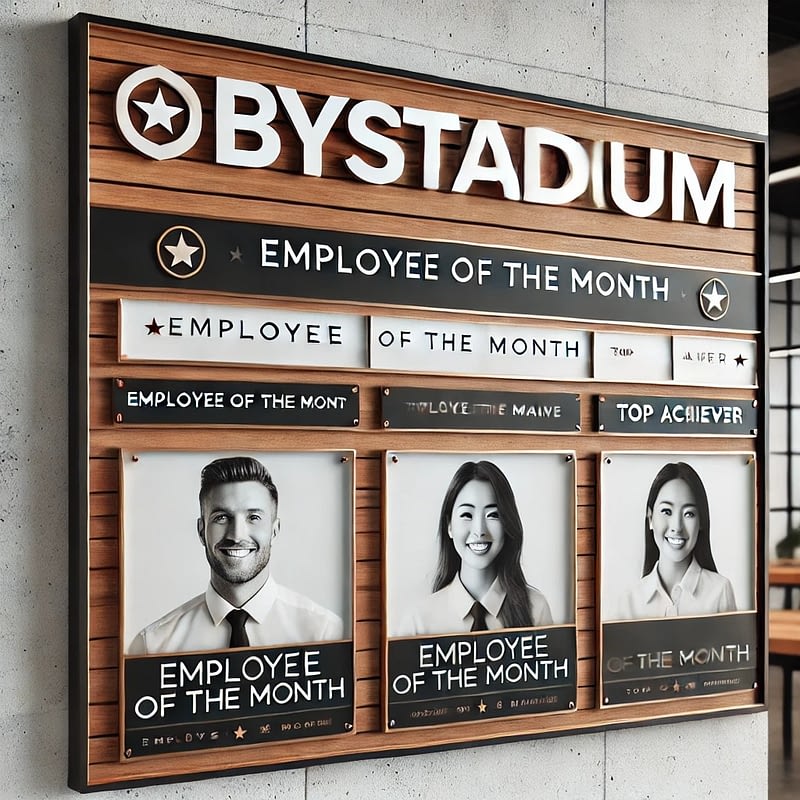
Awards can be one of the most meaningful forms of recognition  or one of the most undermining, depending on how they are designed. The version that works is the one that takes the intern’s actual contributions seriously.
Awards built around qualities like creativity, initiative, collaboration, or problem-solving do two things at once. They celebrate what the intern brought to the program, and they give the intern clear, credible language to use about themselves going forward.
An intern who receives a recognition award for cross-functional collaboration has something concrete to speak to in interviews and on their resume  not just a memory of being appreciated, but a named quality that was publicly validated.
A well-written recognition note from a manager is one of the most useful things an intern can receive  and one of the most underused tools in most appreciation programs.
Unlike a shoutout in a meeting or a post on an internal channel, a written note is something the intern can keep, reread, and draw on long after the program ends.
The distinction between a meaningful note and a forgettable one comes down to specificity. A note that says “it was great having you on the team” is pleasant but disposable.
A note that names a specific contribution, describes its impact, and reflects on a quality the intern demonstrated consistently is something the intern will reference in future interviews, share with mentors, and return to in moments of self-doubt.
Â
Distributed internship programs do not fail at recognition because of distance. They fail because recognition moments get designed for the people in the room first and remote participants get a version that was adapted afterward rather than built for them from the start. The fix is not complicated, but it does require a deliberate shift in how planning begins. For global HR teams running interns across multiple locations, remote-inclusive recognition is not the exception to plan for. It is the default to design from.
A single live event scheduled at a time that works for headquarters will exclude a portion of your intern cohort by default. That exclusion is rarely intentional  but interns on the receiving end experience it the same way regardless.
Before scheduling any live component of Intern Appreciation Day, map where your interns are located and identify the time zone gaps. For cohorts spread across significantly different regions, a single synchronous event may not be workable. In those cases, the better solution is either to run regional sessions or to lead with asynchronous formats that do not require anyone to be online at a specific moment.
Â
Asynchronous formats are not a fallback for when live events are impractical. For distributed teams, they are often the stronger choice  because they give every intern the same quality of experience regardless of location, schedule, or time zone.
Written spotlight posts, recorded video messages from managers and leaders, digital thank-you walls, and shared recognition feeds all work asynchronously. They can be prepared in advance, published on the day, and engaged with by the broader team over a window of time rather than a single hour. That flexibility increases participation, reduces coordination pressure, and ensures that recognition reaches every intern at a moment when they can actually receive it.
Remote interns notice when digital participation has been bolted onto an in-person experience. A Zoom link added to a room-based event, a chat function that nobody monitors, a recorded session sent out two days later  these are signals that the remote experience was an afterthought.
The goal is parity, not perfection. Digital recognition formats  feeds, spotlight posts, peer appreciation prompts, virtual roundtables  can deliver the same quality of experience as in-person moments when they are designed with the same care. The difference is almost always in the planning, not the format.
The difference between organizations that run meaningful intern recognition consistently and those that scramble to put something together each cycle comes down to one thing: whether appreciation is treated as a program milestone or a calendar reminder. The former gets planned, refined, and improved. The latter gets forgotten until the last week of the internship.
Intern Appreciation Day should not exist in isolation.
The most effective programs treat it as one moment within a broader recognition arc  with touchpoints at the start of the program, at the midpoint, and at closeout that collectively tell interns their contributions are being noticed throughout, not just at the end.
A midpoint recognition moment  something lighter, like a team shoutout or a check-in that acknowledges early contributions  sets the tone for how the program values its interns before the formal appreciation day arrives.
By the time Intern Appreciation Day comes, interns already know the organization pays attention. The day becomes a celebration of that, not a correction of its absence.
Map the recognition moments onto your internship calendar before the program starts. When appreciation is scheduled in advance, it gets resourced, coordinated, and delivered consistently rather than improvised under time pressure.
Manager participation is the single biggest variable in intern recognition quality  and the most common place where programs fall short.
When managers are left to figure out their own contribution on the day itself, the results are uneven at best.
The fix is to define what manager participation looks like before the program begins. Give managers a clear brief: what they are expected to prepare, when they need to have it ready, and what good recognition looks like in practice.
A few concrete prompts  specific contribution to name, quality to acknowledge, impact to describe  dramatically increase the quality of what managers deliver without requiring significant extra effort from them.
When manager participation is structured and expected rather than optional and vague, interns receive more consistent recognition across teams.
That consistency is what makes an appreciation program feel fair  and what prevents some interns from feeling overlooked simply because their manager was less proactive than others.
Every intern cohort is an opportunity to learn what made recognition land and what fell flat. Organizations that treat Intern Appreciation Day as a repeatable program moment build that learning into the process  gathering feedback from interns and managers after the day and using it to sharpen the approach for the next cohort.
The documentation does not need to be elaborate. A short post-program debrief that captures which formats worked, which ideas generated the strongest response, and what the team would do differently is enough to create meaningful improvement over time. After two or three cycles, the program has a tested playbook rather than a blank page.
Stadium supports this kind of program continuity  giving HR teams a consistent operational layer to run recognition workflows, track participation, and coordinate appreciation moments across every intern cohort without rebuilding the process from scratch each time. When the infrastructure is already in place, the focus can stay where it belongs: on the quality of the recognition itself.
The last day of an internship is one of the most emotionally significant moments in the entire program  for the intern and, often, for the team. How an organization handles that moment shapes what the intern carries forward and how they talk about the experience afterward.
A program closeout that includes structured recognition  manager notes, a cohort celebration, a final spotlight moment  signals that the internship was a real professional chapter, not just a temporary arrangement. It closes the program with intention rather than letting it trail off into a round of handshakes and a parking validation.
Build the closeout recognition into the program plan from the start. When interns know from day one that their contributions will be acknowledged at the end, it sets an expectation that shapes how they engage throughout. The final recognition moment lands differently when the whole program has been building toward it.
Intern Appreciation Day is not about finding the right activity or ordering the right gift. It is about pausing  deliberately and specifically  to acknowledge what your interns actually contributed and who they showed themselves to be during the program.
Done well, that recognition does something meaningful. It tells interns their work was real. It gives them confidence to carry into whatever comes next. And it closes the program with the kind of intentionality that turns a good internship into one they will talk about for years.
The organizations that get this right are not the ones with the biggest budgets or the most elaborate events. They are the ones that treat appreciation as a program responsibility rather than a program afterthought  building recognition into the timeline, preparing managers to participate meaningfully, and designing moments that work for every intern regardless of where they are based.
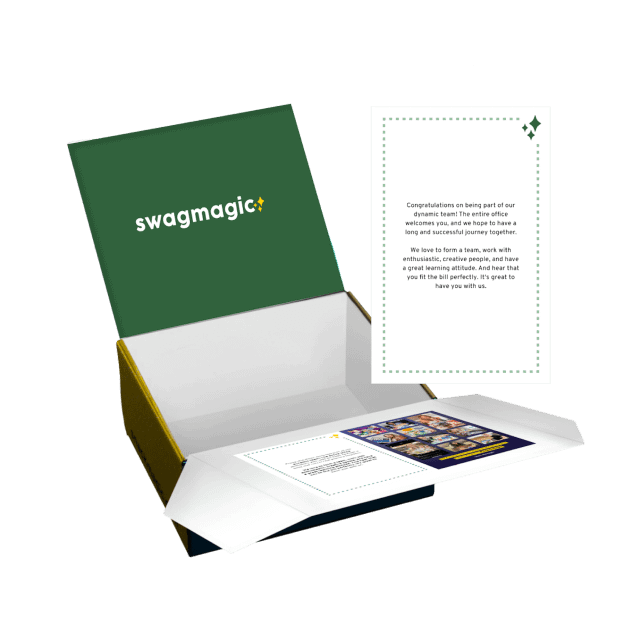
HR teams can set up recognition triggers tied to onboarding dates, program milestones, and internship end dates, so the right gift goes to the right intern at the right moment without requiring manual intervention for each one.
The program runs; the team oversees it rather than administering it event by event.
Your do-it-all platform for Rewards. Global Solution
Stadium helps companies operationalize exactly that by building recognition programs, automating milestone moments, and delivering rewards to intern cohorts anywhere in the world, all from one platform.
Whether you’re running ten interns or a hundred, the workflows scale without the administrative lift.
Recognition runs through all of it. Not as a bonus layer added at the end, but as a practical engagement tool that keeps interns feeling connected, valued, and motivated throughout a program that moves quickly.
Are you ready
to take Intern Recognition to a whole new level?
Celebrate your people year-round with HRIS/ATS integrations that automate employee appreciation gifts for work anniversaries, onboarding, and more.
From thoughtful employee onboarding gifts to local fulfillment globally, we make it easy to recognize your team, wherever they are.