


Employee recognition
Employee Recognition Program Proposal: Free Template + ROI Plan
Build an employee recognition program proposal leadership approves. Free template, ROI formula, 30/60/90 rollout, governance, and post-launch metrics.








Most recognition program proposals die in the meeting they were built for. Not because the program is bad, but because the document reads like an HR essay instead of an operating plan.
Leaders don’t approve sentiment.
They approve plans they can run. And recognition is a business problem with operating consequences: employees who do not feel adequately recognized are roughly twice as likely to say they will quit in the next year, per Gallup’s research on retention and recognition.
That is a retention number you can take to a CFO.
This guide is the proposal you can put in front of leadership next week. You will get the template, the business case, the budget math, the program architecture, the governance rules, the 30/60/90-day rollout, and the measurement plan–written for the people who actually sign off.
Copy what you need. Adapt the numbers to your own attrition data. Ship a proposal that gets approved on the first read.
Table of Contents

What is an Employee Recognition Program Proposal?
Consider an employee recognition program as your strategy to highlight and reward productive work.
It’s not just service awards or employee of the month.
A program like this outlines and equips leaders at all levels with strategies to appreciate efforts and contributions, ranging from informal “thank you” after intense projects to more official remembrance and appreciation during milestones.
When employees feel appreciated genuinely, we have observed engagement levels increasing; retention issues, on the other hand, start disappearing.
The most effective programs offer various avenues for recognition, from informal peer acknowledgment to official commendation from superiors.
Define the proposal as an approval artifact, not an HR essay

An employee recognition program proposal is a leadership-facing plan that documents why the program is needed, how it will work, what it will cost, who owns it, and how success will be measured. It is the artifact leaders sign.
It is not a culture manifesto, a list of recognition ideas, or a feel-good slide deck.
If the document does not read like an operating plan, it will not be treated like one.
The reader–a CFO, COO, or CHRO–wants to see five things on the first page: the gap, the program, the cost, the owner, and the decision they are being asked to make. Everything else is supporting evidence.
That framing changes what belongs in the proposal. Generic statements about appreciation get cut.
The behavior the program reinforces, the criteria for who can recognize whom, the budget per employee per quarter, the manager training plan, the fulfillment method for global recipients, and the measurement cadence–these stay. The proposal exists to make the program runnable, not inspiring.
Give readers a free proposal template they can actually use
The template below covers the eight sections every approval-grade recognition proposal needs. Copy each block into a doc, fill in the prompts, and you will have a draft leadership can react to, not a wishlist.
Two ground rules before you start:
- Lead with the decision being asked for. The executive summary is the proposal, not the introduction to it.
- Cut anything that does not help leaders make the call. Recognition theory belongs in the appendix or the training plan, not the proposal body.
In three to five sentences, state the recognition gap (with internal evidence), the business outcome at risk, the proposed program, the requested budget or approval, and the first 90-day milestone. If this is the only page the CEO reads, it should still give them everything they need to sign.
Fill-in prompt: "Our [survey, exit-interview, or turnover] data shows [specific gap]. To address [retention, engagement, or manager consistency] risk, we propose [program in one sentence]. Annual budget: $X. Owner: [name and role]. First milestone by day 90: [concrete output]."
Use internal evidence, not industry studies. Engagement survey comments. Manager 1:1 notes. Exit interview themes. Recognition frequency by department. The point is to show leaders the gap is theirs, not an HR blog's.
If you have a single data point that lands hard–for example, "manager-given recognition fell 38 percent year over year in our top-performing region"–open with it.
List three to five measurable goals tied to outcomes leaders already care about:
- Increase manager-given recognition frequency from X to Y
- Lift recognition coverage across departments to 95 percent
- Reduce missed work anniversary moments to zero
- Move the engagement survey recognition item up by N points
Goals must be measurable and time-bound. Aspirations do not pass finance review.
Define who is eligible to give recognition, who can receive it, and how new hires and contractors are treated. Frame recognition as inclusive, never something employees have to earn. Most programs default to all full-time employees on day one. If you exclude any group, name them and explain why.
Lay out the layers (more detail in the architecture section below):
- Everyday recognition: employee-to-employee kudos
- Manager-led recognition: spot awards
- Milestone automation: birthdays, work anniversaries, onboarding kits
- Quarterly awards: peer-nominated, leader-confirmed
- Annual awards: company-wide moments
For each layer, state the reward: points to spend in a shop, branded swag, a gift card, a snack box, or an experience. Recipient choice matters. When employees pick their own gift, the gift means more.
Detail the budget by line, the assumptions behind it, and the early adoption metrics that justify the spend before retention numbers move. (Full model in the next section.)
Name owners, approval rules, anti-bias safeguards, budget controls, and reporting cadence. If recognition turns into a popularity contest, the program loses leadership trust before it gets to month six.
Three phases: pilot, expand, launch. (Full plan in the rollout section.)
End the proposal with the exact ask: budget approval, pilot approval, platform evaluation, stakeholder meeting, or launch date. A proposal without a clear decision request gets tabled.
Build the executive business case around retention and cost
The fastest way to lose a recognition proposal is to frame it around morale. Morale is a leading indicator, not a budget line. Reframe around three things leaders track quarterly: retention, manager consistency, and engagement survey movement.
The math is direct. The Bureau of Labor Statistics reports median employee tenure was 3.9 years as of January 2024, per BLS data on employee tenure. Replacing a salaried employee runs anywhere from half to two times the employee's annual salary, depending on role complexity. Combine that with Gallup's finding that employees who do not feel adequately recognized are about twice as likely to say they will quit, and the proposal moves from a morale spend to a retention spend.
When recognition is ad hoc, employees on tougher managers get less of it. That is a fairness and retention risk the proposal can name out loud. The fix is structural: defined kudos budgets per manager, criteria tied to values, and reporting that surfaces gaps before they become exit interviews.
Most companies already run an annual or biannual engagement survey. The recognition item on that survey is the leading indicator the proposal commits to moving, typically within two survey cycles. Do not promise faster.
Three things this section should not do.
- Do not promise immediate retention gains.
- Do not claim a turnover reduction percentage without your own data behind it.
- Do not compare your spend to industry averages that do not exist for your size and sector.
- Keep the claims conservative, show the formula, and let the reader plug in their own numbers and arrive at the same conclusion you did.
Steps for pitching employee recognition to your executive team
Initiating an employee recognition program requires obtaining executive team approval because it represents any other HR initiative.
You must create an attractive business argument describing how employee recognition practices generate clear business measurement indicators.
When making your presentation, focus on linking recognition directly to employee retention and productivity alongside improved satisfaction rates because executives understand financial metrics and returns on investment.
Prepare answers to address executive team queries regarding the price of implementation and duration and real examples from established recognition programs implemented elsewhere.
1. Write a Problem Statement
You should begin by choosing particular organizational difficulties that recognition strategies can successfully tackle.
Exit interviews show that employees do not perceive the organization as appreciating them.
Do particular sections within the organization show declining employee engagement?
Real figures should demonstrate existing deficiencies in your company’s cultural environment. You should stress that employee appreciation costs the company productivity and talent retention through inadequate organized programs.
Your problem statement will make executives understand the critical need to accept your recognition program proposal immediately.
2. Outline Your Approach to Recognition
Your recognition program must provide a visible framework incorporating multiple ways to recognize employee achievements.
You will describe your strategy to manage organized recognition programs and continuous everyday recognition while enabling employee recognition between colleagues.
Explain how your method promotes both organizational values and company culture development. You have studied numerous best practices and built an approach that harmonizes with your company’s specific operational requirements and guarantees appreciation for every staff member regardless of their position or department group.
3. Choose the Right Employee Recognition Platform for Your Company
The implementation process requires selecting tools that deliver simple and obvious recognition methods.
Examine different platform features that provide monetary and non-monetary recognition while focusing on elements that match your organizational requirements.
The correct employee recognition platform has capabilities for participant monitoring alongside analytical functions and integration abilities with current systems.
New platforms must demonstrate their ability to attract adoption across all organizational layers while supporting managers in effortlessly performing regular meaningful employee recognition.
4. Detail the Investment Required and ROI Metrics
You should deliver budget information that discloses expenses for the platform reward systems and organization management allocation.
Your financial commitment establishes direct relationships between employee recognition programs and their effects on employee commitment rates, staff retention levels, and productivity output.
The suggested success metrics encompass recognition activities, employee satisfaction results, and worker retention figures. Prove awareness about the necessity of achieving immediate payoffs and enduring returns while examining rewards and recognition initiative results.

5. Create a Summary
Conclude with a brief summary emphasizing recognition as a solution to workplace difficulties.
Celebrate once more the relationship between employee appreciation and better performance results.
Propose both implementation timelines with specific milestones that will support successful evaluation.
The conclusion should demonstrate that approval confirms leadership dedication toward employees because such endorsement positions the company as one of the leading employers in a competitive landscape.
Show the budget and ROI model
| Budget line | What it covers | Example annual allocation | Owner | Measurement |
|---|---|---|---|---|
| Platform and software | Recognition platform, reporting, employee recognition program budget integrations | $X per employee per year | Adoption rate, manager activation | HR Ops |
| Reward inventory | Points-based shop, swag, snack boxes, gift cards | $40 to $150 per employee per year (varies by tier) | HR Ops | Redemption rate, recipient choice diversity |
| Milestone automation | Work anniversaries, birthdays, onboarding kits | $X per milestone, scaled to anniversary tier | HR Ops | Milestones served, missed-moment rate |
| Quarterly and annual awards | Peer-nominated, leader-confirmed | Pool per quarter, scaled to team count | HR Ops | Nomination volume, geographic spread |
| Manager training | Recognition criteria, examples, budget approvals | Time and materials | HR Business Partners | Manager adoption rate by month 60 |
| Communication and launch | Internal campaign assets, manager toolkits | One-time plus ongoing | Internal Comms | Awareness, intent-to-use survey |
Create the 30/60/90-day rollout plan
Lock the inputs the program will run on. Confirm HRIS data is clean: addresses, anniversary dates, department assignments, manager mappings. Confirm budget by team and quarter. Define the pilot group, usually one or two departments mixed across geography, around 50 to 150 employees. Draft the communication plan: launch email, manager toolkit, FAQ doc, and the internal Slack or Teams announcement. Decide the program name (more on naming below). Output of phase one: the program is set up, the pilot group knows what is coming, and the first manager training session is on the calendar.
Launch to the pilot group. Run manager training the week before–what to recognize, how often, what the budget is, and how to redeem. Push the first round of kudos in the first 48 hours to set the tone. Open the first milestone, usually a birthday or anniversary inside the pilot. Pull the first report at day 50: manager activation rate, recognition volume, redemption rate, and geographic spread. Course-correct before company launch. Output of phase two: the pilot group is recognizing each other consistently, and the team has a baseline of what good looks like.
Launch company-wide. Repeat manager training in waves by region or function. Open the full library of automated milestone recognition flows–birthdays, all anniversaries, and onboarding kits. Pull the first cross-team report at day 90: coverage by department, by region, and by manager. Schedule the first executive readout. Build the ongoing cadence: monthly HR review, quarterly leadership readout, biannual program retrospective. Output of phase three: the program is running across the company, leadership has the first dataset, and the team has moved from launch mode to operating mode.
Workato–a 500 to 1,000-person technology company with employees across 13 countries including India, the U.S., Singapore, Canada, the Philippines, Japan, Germany, Italy, the Netherlands, Spain, Georgia, Serbia, and the U.K.–wanted ongoing employee appreciation without per-recipient logistics. The team built a global birthday gifting motion through a Stadium Shops link: recipients picked their own swag, and the team kept appreciation running without rebuilding the workflow for each location. Stadium Shops were the cornerstone–82 people treated, 69 orders placed in the case study window, and Workato remains an active sender on the platform.
What is the Employee Recognition Program template?
An employee recognition program template is a structured framework that organizations can customize to consistently acknowledge and reward employees who go the extra mile.
It provides team leaders with clear guidelines on who to recognize, when, and how—eliminating guesswork and inconsistency. A well-designed template aligns recognition with company values while standardizing the process across departments.
Creating repeatable systems for appreciation templates helps ensure that recognition becomes embedded in company culture rather than occurring sporadically, directly impacting engagement and retention rates while making it easier for busy managers to recognize and appreciate their teams effectively.
How to create an Employee Recognition Program template
Set Clear Goals
Begin by defining what you want your recognition program to achieve. Are you looking to increase engagement, reduce turnover, or reinforce specific behaviors? Link recognition goals to broader business objectives so you can measure impact. When team leaders understand how recognition supports organizational success, they’re more likely to consistently recognize employees who go above and beyond.

Define Criteria for Recognition
Organizations need to define clear guidelines about items that deserve recognition. They must also define which behaviors and accomplishments measure up to company values and business priorities. Different recognition levels need varied criteria, starting with basic appreciation notes that lead to formal award ceremonies. Veit requirements guarantee fair treatment and allow personnel to grasp what extra work means within your organization.

Choose Recognition Methods
Companies should create multiple forms of recognition that speak to people of different workplace personalities. Public acknowledgments and personalized notes should be combined with monetary rewards and experiential incentives. The templates offered to team leaders simplify their ability to identify and promptly acknowledge contributions from their group members. Implement team-based and individual recognition methods to support group collaboration during recognition ceremonies honoring employees.

Set a Schedule for Recognition
Build a recognition schedule that follows both impromptu shows of appreciation and scheduled appreciation events. Managers must establish recurring review sessions to identify staff achievements suitable for recognition. Use existing work processes and meetings to build recognition events that avoid new administrative requirements. The habit of recognition takes shape when managers follow a regular schedule.

Communicate the Program to Employees
Explain the recognition program structure through defined written documentation. You should generate enthusiasm among employees by explaining program benefits and possibilities for involvement. Team leaders need comprehensive training about properly implementing and genuinely using the recognition templates. Through clear communication, the program maintains better trustworthiness, allowing employees to understand broader achievement expectations.

Collect Feedback and Adjust
Organizations must perform periodic meetings that collect information from recognition providers and recipients. The organization must develop standard assessment models measuring program success and employee contentment levels. The obtained data acts as feedback to adjust recognition criteria, methods, and time schedules. The organization shows its dedication to meaningful recognition efforts that genuinely make staff members feel appreciated through continuous improvement practices.

Integrating Templates into the Current Employee Recognition Program
Analyze existing recognition practices to identify gaps the templates will address. Phase in new templates gradually, starting with areas needing the most improvement. Provide team leaders with implementation support, including examples of templates that have been effectively completed. Connect new templates to familiar processes to minimize disruption while enhancing how you recognize and appreciate contributions.
Why Employee Recognition Programs Are Worth the Investment
Implementing a structured employee recognition program isn’t just a feel-good move—it’s a smart business strategy. When appreciation becomes part of everyday work culture, it boosts morale, engagement, and retention.
Recognition doesn’t have to be elaborate or costly; what truly matters is being sincere, specific, and consistent. When employees know their extra efforts are noticed, they’re more likely to stay motivated and committed.
Even a simple “thank you” can go a long way in creating a workplace where people feel valued.
Start small if needed, but commit. A well-executed recognition program can transform your culture and significantly impact your team’s performance—and your bottom line will reflect that change.
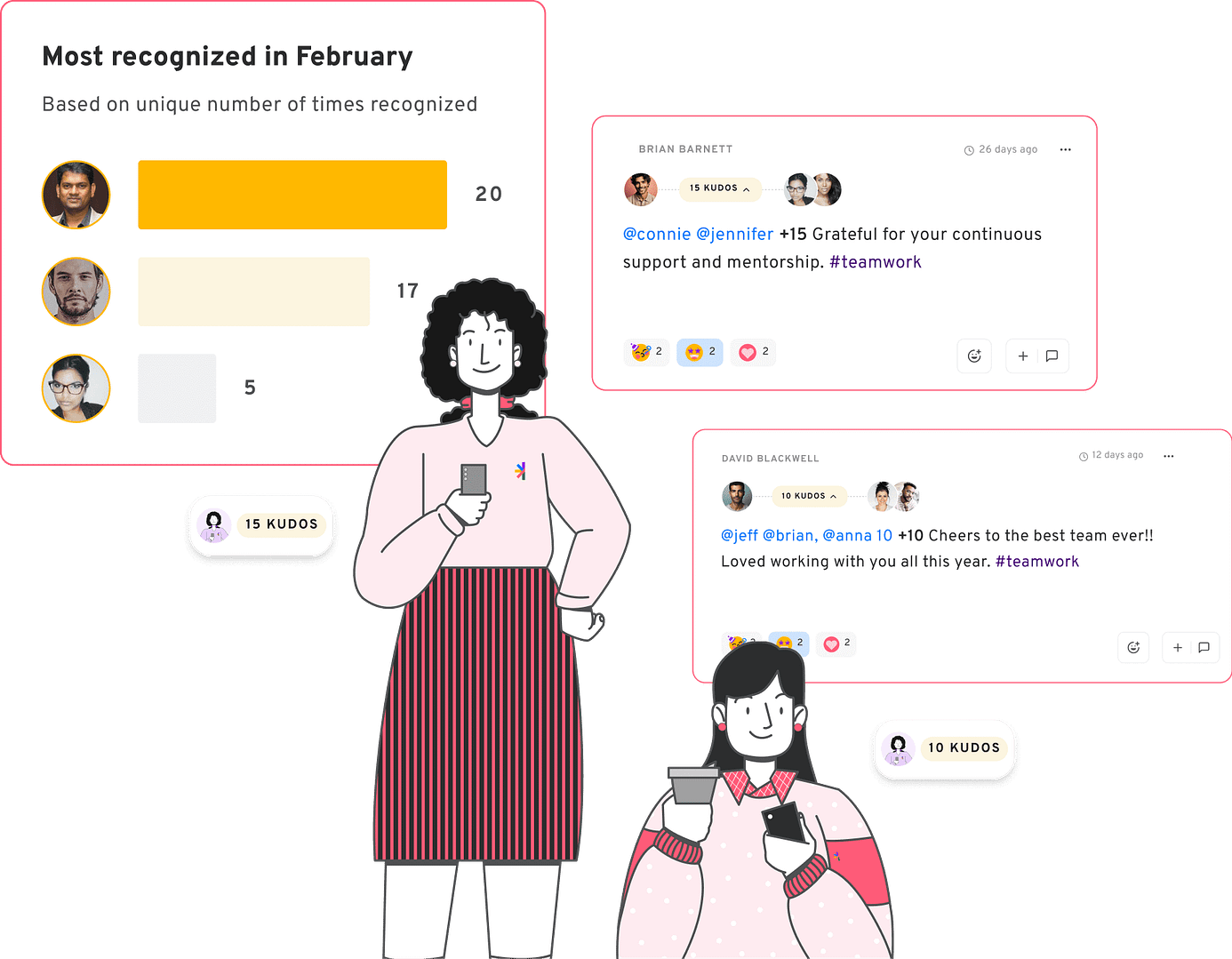
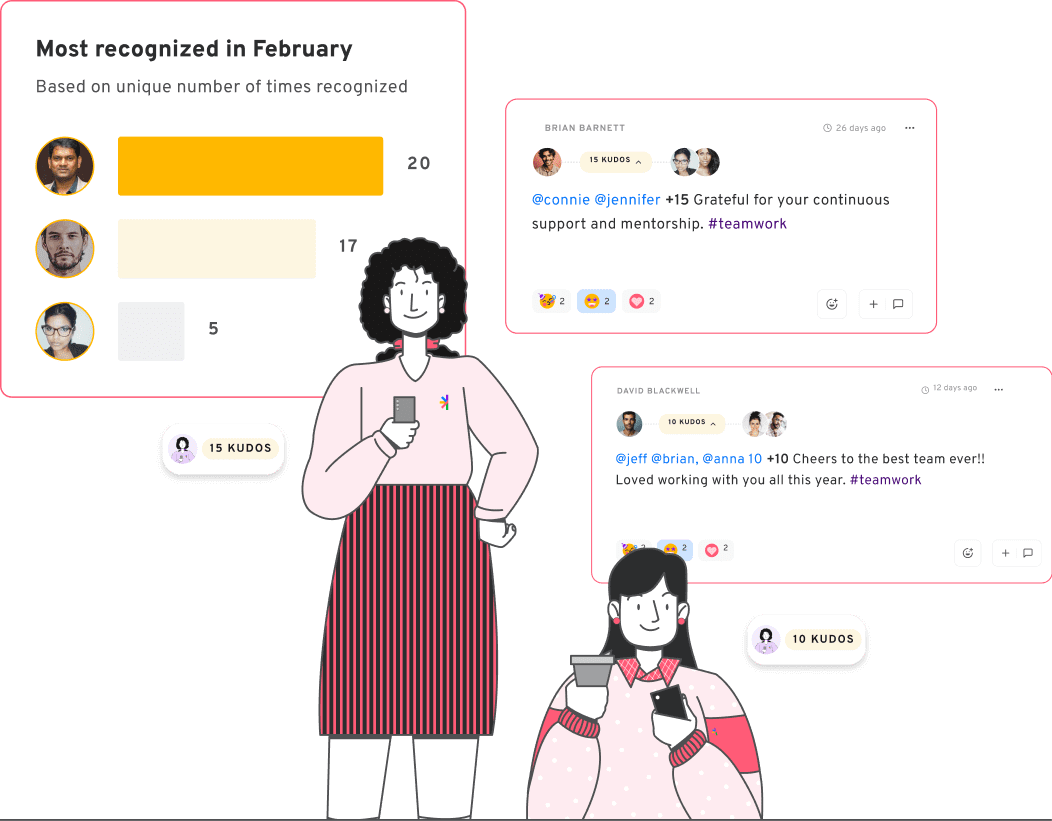
- Peer-to-peer, senior-to-junior, and vice versa
- Assign monetary value to kudos or keep them free
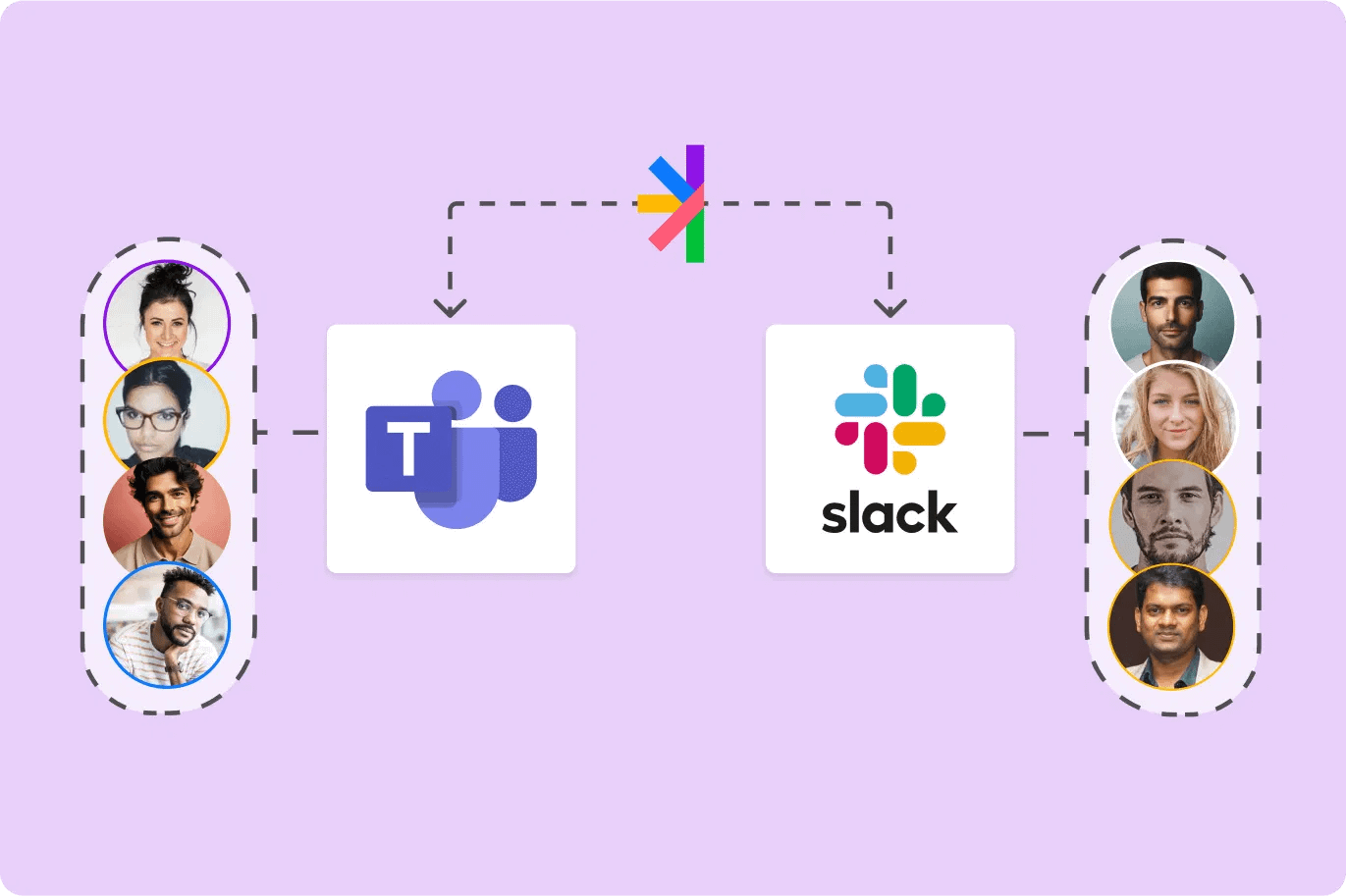
- Integrate with Teams, Slack, or use our platform
- 1M+ gifts from top brands + customizable swag
- Enable kudos to flow freely across your org chart
Are you ready
to take recognition to a whole new level?

