



Employee recognition

AI in Employee Recognition: How HR Keeps Appreciation Human

How AI helps HR spot recognition moments, personalize rewards, reduce admin, and keep appreciation human with Stadium’s global recognition platform.

How AI Can Transform HR and Appreciation

The risk with AI in recognition isn’t that it underperforms. It’s that it works so smoothly nobody notices a person was supposed to be on the other end of the message.

A perfectly timed, auto-generated “Happy work anniversary!” is technically recognition. It is not appreciation.

That’s the line HR teams now navigate. AI in employee recognition uses machine learning, natural language processing, and behavioral data to spot moments worth celebrating, draft messages, recommend rewards, and automate milestones – so leaders spend less time on logistics and more time on the people side of the work.

Done well, it scales appreciation across distributed teams. Done badly, it makes “thank you” feel like a system notification.

This guide covers what AI in employee recognition actually is, where HR teams are getting real value from it, where it can quietly go wrong, and how to keep appreciation human at any scale.

Employee Recognition Solution
Choose from a variety of rewards and engagement experiences — all customizable to your own brand. No monthly fees. No contracts.

Table of Contents

laptop computer on glass-top table with AI analytics open on screen

The Evolution of AI in Everyday Technology

  • Virtual assistants are evolving from simple command responders to contextual conversation partners
  • Recommendation engines shifting from basic suggestions to personalized content curation
  • Customer service chatbots advancing from rigid scripts to flexible problem-solving tools
  • Image recognition transforming from basic identification to nuanced visual understanding

What AI in Employee Recognition means

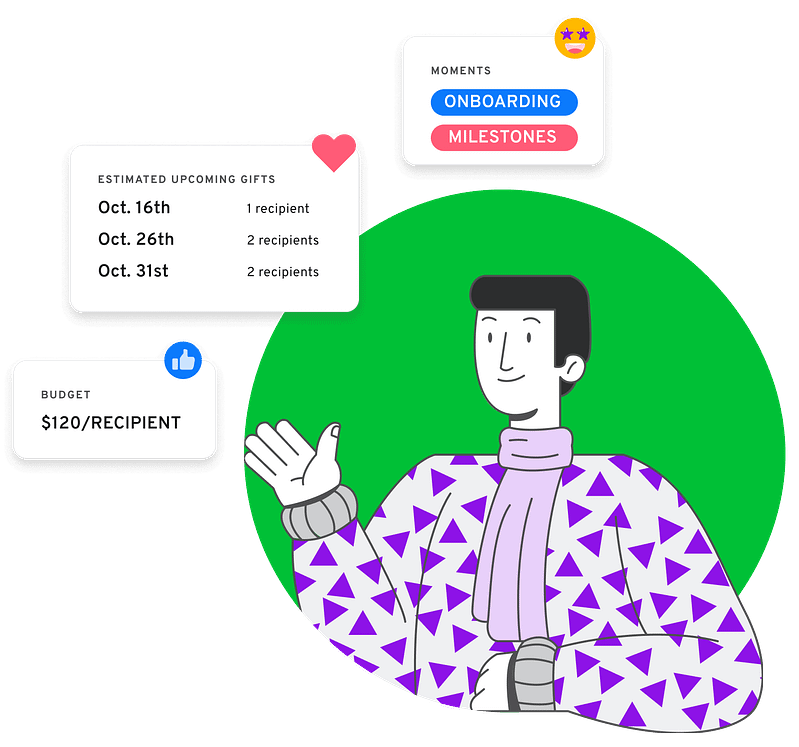
Set up automated milestone gifting

AI in employee recognition is the use of artificial intelligence – pattern recognition, natural language processing, and predictive analytics – to surface, personalize, and deliver appreciation inside the workplace.

It sits on top of an existing recognition program, not in place of one.

In practice, AI helps with four things: identifying recognition-worthy moments (a project win, a milestone, a peer shout-out in Slack), tailoring the message or reward to the recipient, automating delivery for events like work anniversaries and birthdays, and turning recognition activity into data leaders can use.

The point is leverage, not substitution. AI handles the repetitive parts so managers and peers can focus on what matters – noticing the work, and saying so in their own words.

Why HR teams use AI for Recognition and Appreciation

How AI Can Transform HR and Appreciation

HR adoption is driven by a few concrete pressures: distributed teams, manager bandwidth, and inconsistent recognition across departments. AI helps close those gaps without adding headcount.

The most common HR use cases right now:

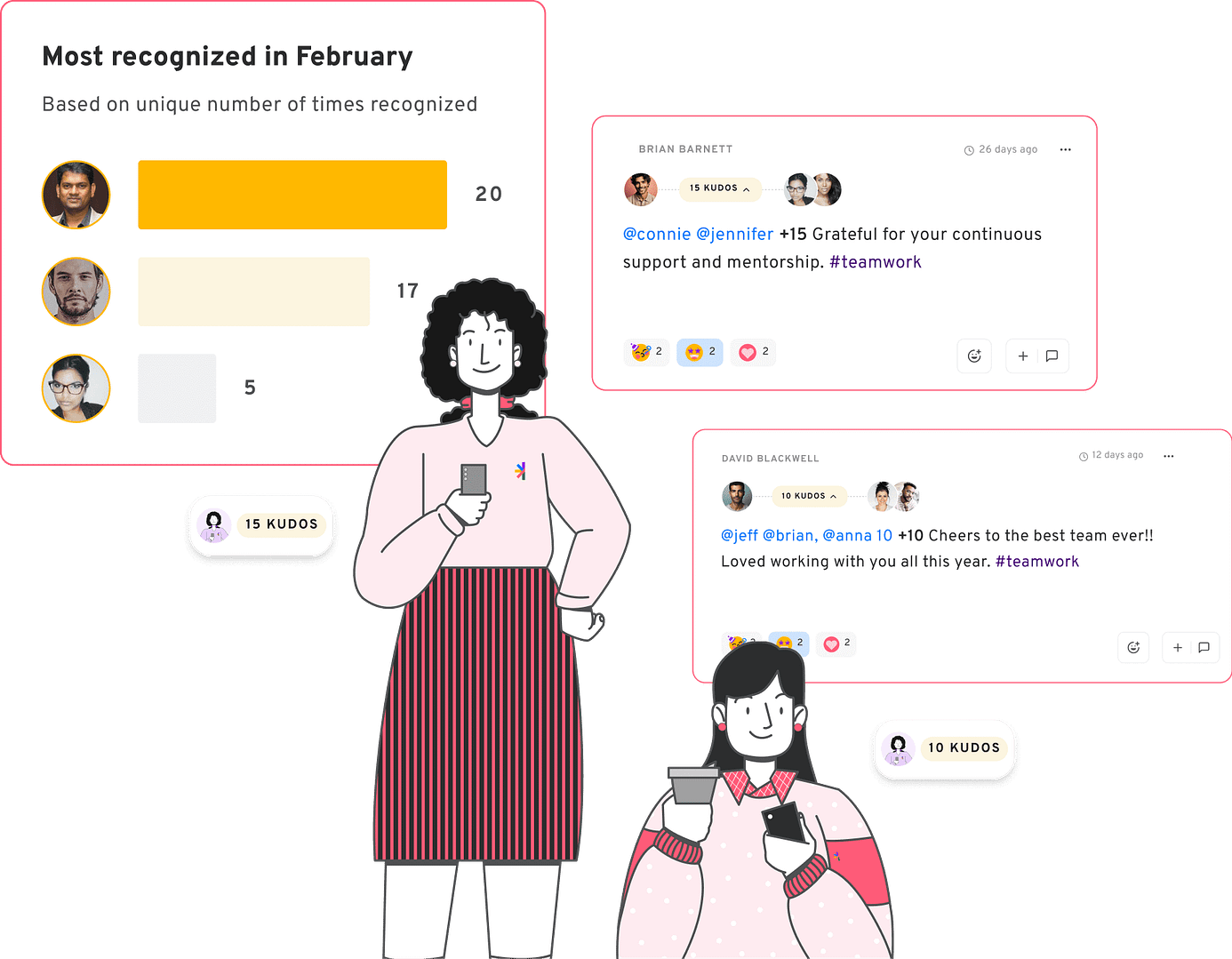
  • Spotting recognition moments across communication tools and project systems, so wins don’t slip past busy managers.
  • Personalizing messages and rewards based on a recipient’s preferences, role, and past interactions.
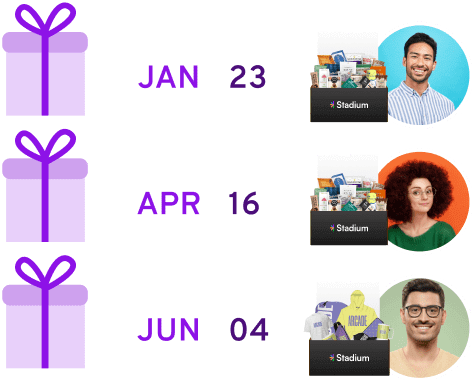
  • Automating milestones – work anniversaries, birthdays, onboarding markers, project completions – so no one gets forgotten during a hiring wave.
  • Improving consistency across managers, teams, and regions, so recognition isn’t lopsided toward the loudest performers.
  • Using recognition data to find recognition deserts, prove ROI, and shape engagement strategy.

Done right, AI doesn’t water down appreciation. It removes the admin that crowds it out.

Embracing AI in Employee Recognition

Automated Gifting 1

1. Automated Gifting with Stadium

Stadium takes the hassle out of employee recognition with smart, automated gifting that still feels personal

Our AI-powered platform learns from each recipient’s preferences and past interactions to recommend the perfect gift—no guesswork required. 

Managers can set up automatic triggers for key moments like work anniversaries, birthdays, or project milestones. 

Each gift is sent with a thoughtful, personalized message, creating a culture of appreciation that runs on autopilot. 

And with predictive analytics on the horizon, Stadium will soon help you celebrate achievements before they even happen—ensuring no moment of recognition is ever missed.

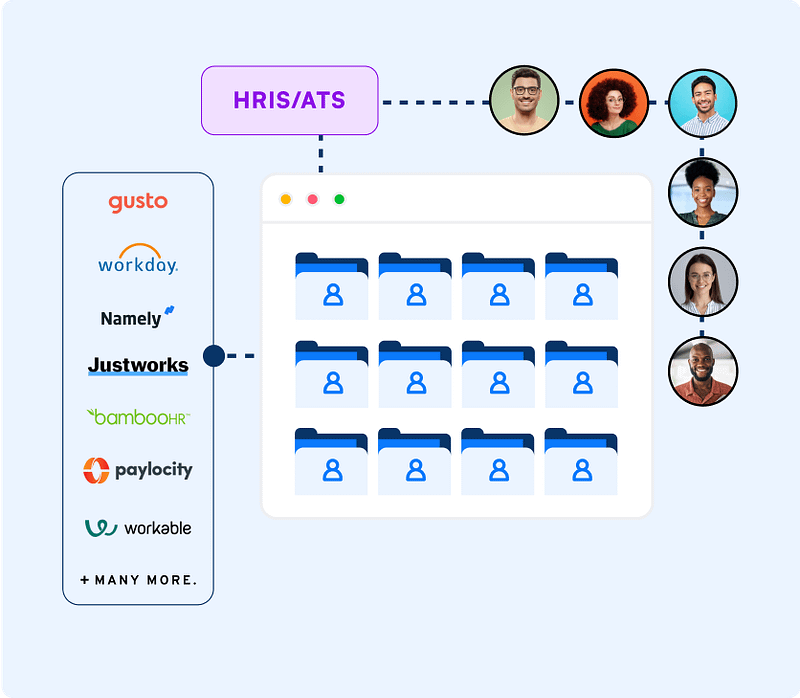
2. Empowering Leaders with AI Technology


Integartions png

3. Personalized Employee Recognition Opportunities

Deeply personalized recognition experiences are leveraged by AI engines that analyze individual preferences, communication styles, and motivational profiles. 


Moving forward, with advanced behavioral modeling, hyper-personalization will move beyond adaptations to an employee’s preferences to their states of mind and their career status, delivering truly cutting-edge recognition.

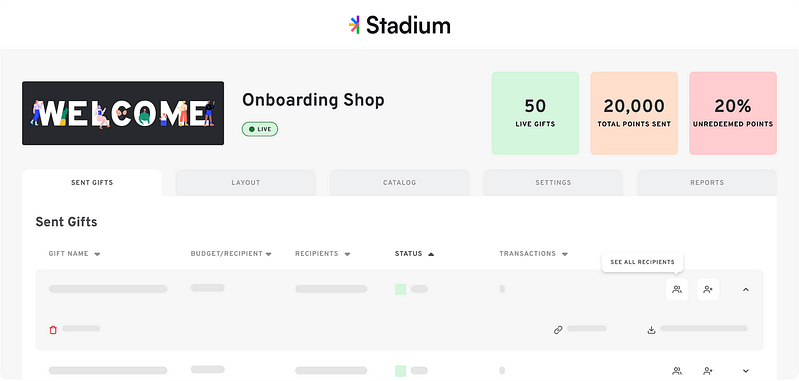
4. Effective Problem-Solving

onboarding shop

5. Better Analytics and Performance-Tracking


The insights can efficiently refine organizations’ recognition approaches to maximize ROI. 

Predictive models will deliver the future with their predictive capabilities around how different recognition approaches will impact retention, productivity, and culture metrics, so strategic recognition planning can be done with quantifiable business outcomes.

6. Overcoming Language and Writing Barriers


These tools make sure that recognition sounds emotional but is always professional. 

Where AI-powered Recognition Can Go Wrong

1. Depersonalization Risks


2. Algorithmic Bias Concerns


However, when cultural differences in work styles or communication patterns are taken for granted by systems, it becomes an accuracy challenge on which HR leaders can help with cross-cultural validation processes and human oversight committees with authority in case the statistical anomaly suggests possible bias, to override AI recommendations.

Related read: 10 challenges in Employee Recognition Programs and How to Avoid Them


3. Data Privacy Vulnerabilities

Among the things to integrate AI into the recognition systems is the need for substantial data collection from employees, which raises legitimate privacy concerns. 


Regular third-party security audits and limiting the time personal data is retained should determine how accurate privacy protection should be. 

4. Technical Accuracy Limitations


5. Dependency Concerns

However, over-relying on AI to appreciate employees can deaden managers’ ability to recognize employees’ contributions and knowledge of emotions. 

Mandated monthly ‘AI free’ periods should be followed by continued training in human recognition tools and dashboards for AI-assisted and purely human tools. 

6. Implementation Challenges

Attempting badly at AI recognition initiatives is a sure way to backfire and cause rewards and recognition to feel robotic, not personalized.  
 

Digitally Transforming Employee Recognition

1. Real-Time Recognition Capabilities
stadium campaign girl mb


The contents of these platforms allow peers and managers to praise contributions within minutes through mobile apps and workplace communication tools, thus strengthening the tie between accomplishment and appreciation. 


2. Democratized Appreciation Culture

Hierarchical recognition barriers are broken down by digital transformation that enables ongoing multi-directional appreciation to flow within organizations. 

Today, modern platforms empower employees of all levels to celebrate the achievements of their colleagues, both in a traditional top-down shape and at a colleague-to-colleague level. 

These capabilities allow companies to leverage them to see stronger team cohesion and better cross-departmental collaboration, as employees can see the contributions around them that are not within their work circles.

3. Recognition Data Intelligence
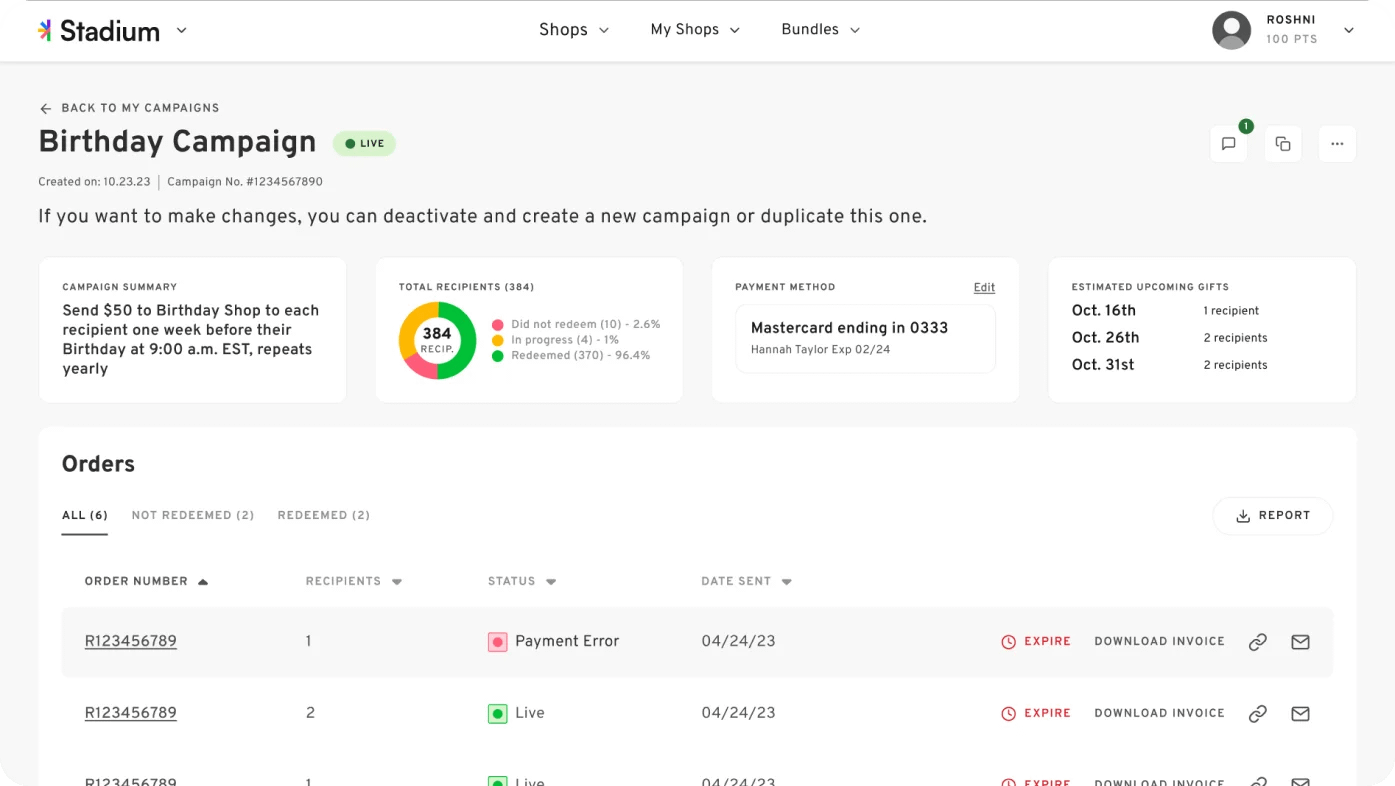
Campaign Dashboard


Through these systems, we track recognition frequency, distribution, and impact correlations with engagement metrics to identify recognition deserts within the organization. 
However, when HR leaders use these data, they can instead promote equitable recognition practices, find coaches for appreciation skills in managers, and illustrate the clear ROI of recognition investments. 

4. Global Consistency with Local Relevance

Modern-day digital platforms enable organizations to uphold the same recognition principles in international markets and manage variable delivery mechanisms that suit regional preferences. 


Going a step further, organizations gain a stronger corporate identity through higher program participation—one of the key benefits of recognition that feels personally relevant and authentic, regardless of location.

5. Integration with Workflow Systems
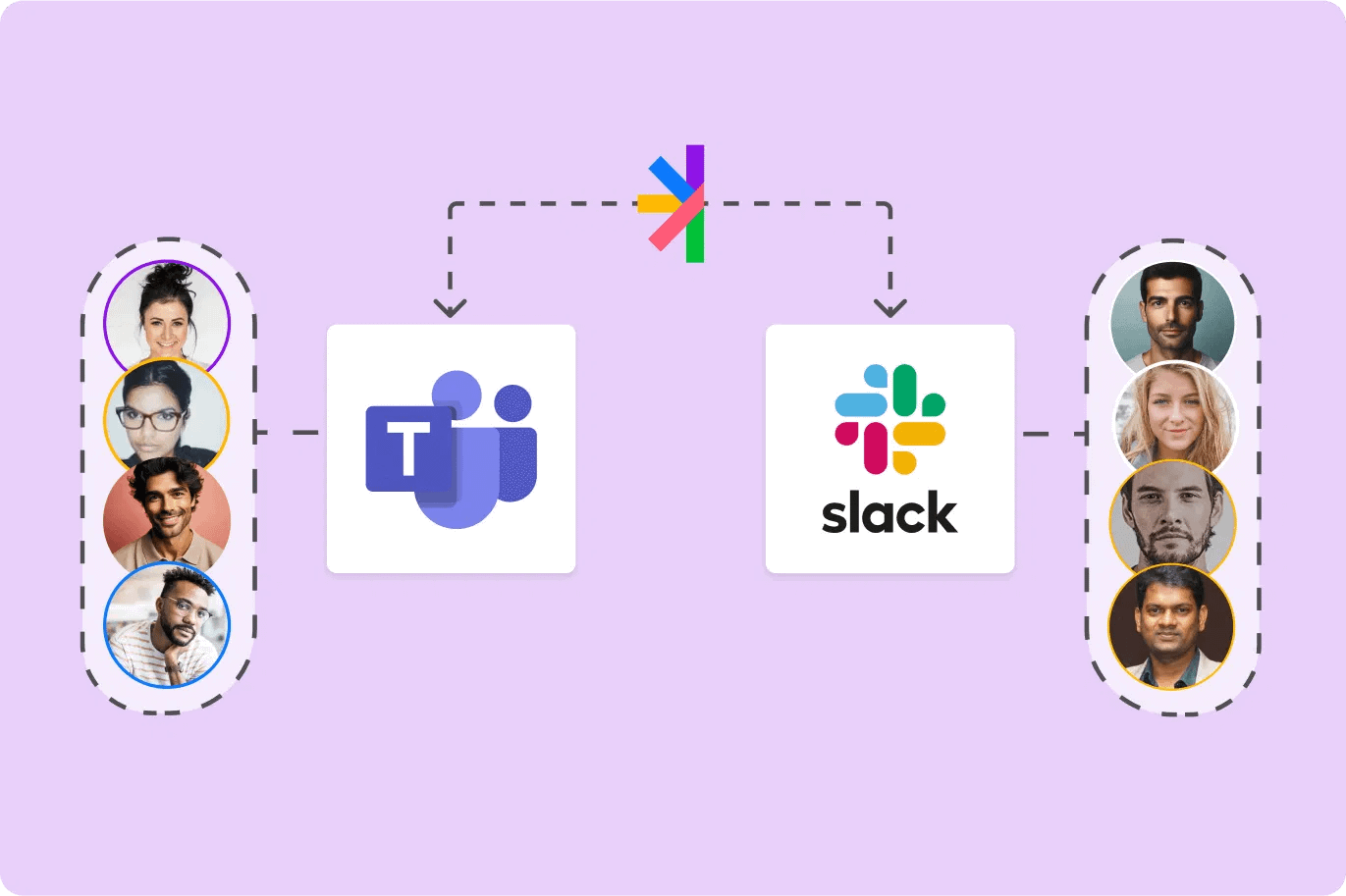
Integrate with Teams or Slack


Why Employee Recognition Programs Are Worth the Investment

Implementing a structured employee recognition program isn’t just a feel-good move—it’s a smart business strategy. When appreciation becomes part of everyday work culture, it boosts morale, engagement, and retention. 

Recognition doesn’t have to be elaborate or costly; what truly matters is being sincere, specific, and consistent. When employees know their extra efforts are noticed, they’re more likely to stay motivated and committed. 

Even a simple “thank you” can go a long way in creating a workplace where people feel valued. 

Start small if needed, but commit. A well-executed recognition program can transform your culture and significantly impact your team’s performance—and your bottom line will reflect that change.

Empower recognition with top incentives
peer to peer
pp mobile png

Are you ready
to take recognition to a whole new level?